

Commercial construction is no small undertaking. Between zoning laws, budget constraints, supply chain delays, and juggling multiple teams, it’s easy for a project to go sideways fast. But with the right plan and the right people, you can avoid common pitfalls and set yourself up for a smooth, successful build. Whether you’re renovating an existing space or starting fresh with new construction, these steps will help you navigate the process with confidence.
1. Start with Clear Goals
Before you begin construction (or even start calling contractors,) take the time to clarify exactly what you’re trying to accomplish. Is your project about expansion? Efficiency? Modernization? Do you need a space that can evolve with your business in five or ten years?
Having a solid understanding of your priorities will guide every other project-related decision you make, from design to budgeting to picking the right construction partner. Without this step, it’s easy to get off track or over budget chasing things that don’t serve your core needs.
Talk with your leadership team and stakeholders early. Consider how your new space will function not only now but five years down the road. A good facility should support growth, operations, and employee well-being.
2. Get Real About the Budget
Construction projects rarely come in under budget, but many go way over simply because the original estimates weren’t grounded in reality. Know what you can spend, but also understand what things actually cost in today’s market.
Talk to a contractor early, even before you finalize architectural plans. A team like Jerdon Construction can help you understand what’s feasible, what might stretch your budget, and where you’ll get the best return for your dollar. And yes, always plan for a buffer. Surprises happen.
Budgeting also means understanding soft costs, including permits, insurance, design fees, and not just the materials and labor. Make sure you know how contingency funds are allocated, how bids will be handled, and what level of cost transparency you’re getting throughout the project.
3. Evaluate the Site (or Prep the One You Have)
The condition and location of your commercial construction site can make or break your project. If you’re still in the site selection phase, think about more than just size and price. Zoning, infrastructure, traffic flow, parking, and future expansion potential all matter. If you’re working with an existing building, be ready for hidden issues, like outdated electrical, structural surprises, or environmental concerns. A thorough site assessment with an experienced contractor can save you major headaches down the road.
In many Lehigh Valley locations, historical buildings or older industrial properties may come with added regulatory challenges. An experienced contractor will know just how to approach these issues proactively.
4. Choose a Contractor Who Knows the Lehigh Valley
You want a Lehigh Valley team that knows the lay of the land, literally. Building in the Lehigh Valley comes with its own set of challenges and expectations, from local permitting quirks to weather considerations.
Don’t just chase the lowest bid. Look for a contractor who asks smart questions, listens to your goals, and has a proven track record in your area. Jerdon Construction has decades of experience in commercial projects across the region, and we bring that local know-how to every project.
Check references. Ask about past projects that are similar in scope and scale. A contractor who’s done work for non profits, schools, or offices nearby will be better equipped to hit the ground running.
5. Align Your Team Early
The earlier your contractor, architect, and any other key players are involved, the smoother your project will run. Miscommunications between design and build teams are one of the top reasons timelines and budgets go off the rails.
If possible, consider a design-build or construction management approach. This fosters collaboration from day one and minimizes the finger-pointing that can stall progress mid-project. Establish clear roles, responsibilities, and reporting structures from the start. A kickoff meeting with all stakeholders can go a long way in avoiding confusion later.
6. Permits, Codes, and Compliance
Permitting is rarely fun. But it’s absolutely essential, and getting it wrong can grind your project to a halt. Each municipality in the Lehigh Valley has its own rules, timelines, and approval processes. Working with a contractor who understands the local landscape can save you weeks (and thousands of dollars) in delays. Jerdon’s team handles permitting regularly and knows how to navigate the red tape.
Compliance also extends to accessibility, fire safety, stormwater management, and energy codes. These aren’t just checkboxes. They will also impact the design and function of your building. Choose a contractor who understands the nuance.
7. Plan the Timeline (with Wiggle Room)
Every project has a timeline. Great projects build in breathing room. Factor in weather, inspections, material delays, and decision-making time on your end.
Ask your contractor about how they manage schedules and what their communication looks like if delays pop up. A good team will keep you in the loop and adjust as needed without sacrificing quality.
Gantt charts, milestone check-ins, and realistic expectations make all the difference. Set deadlines, yes. But set them with a dose of practicality.
8. Communicate Like It’s Your Job
Because in a way, it is. You don’t have to be on-site daily, but make sure there’s a clear chain of communication. Know who your point person is. Ask how often you’ll get updates. Don’t be afraid to ask your commercial contractor any questions or push back when something doesn’t feel right.
At Jerdon, we prioritize communication because we know it builds trust. Our clients always know what’s happening and why, no guesswork required. This is also the phase where weekly updates, change order logs, and proactive check-ins help keep things on track. Good communication prevents small issues from becoming major delays.
9. Think About the End at the Beginning
Final inspections, punch lists, warranties, and move-in coordination. These details can sneak up on you if you’re not thinking ahead. Good planning means fewer last-minute scrambles.
From the start, ask your contractor what closeout looks like. How do they handle inspections? What happens if something isn’t quite right? Jerdon stays engaged through the final walkthrough and beyond, ensuring the space is ready and right.
Also, consider what post-construction support looks like, whether that’s warranty service, maintenance walkthroughs, or help onboarding building systems. A great partner doesn’t disappear after the ribbon is cut.
10. Build with the Future in Mind
Success doesn’t stop once the doors open. Great commercial spaces are designed for long-term flexibility, maintenance ease, and the potential to grow. Think about how your space might need to evolve over time. Could it accommodate new technology? Different workflows? Future expansions?
Sustainable materials, smart systems, and efficient layouts are long-term investments. Jerdon Construction helps clients design with both today’s needs and tomorrow’s opportunities in mind.
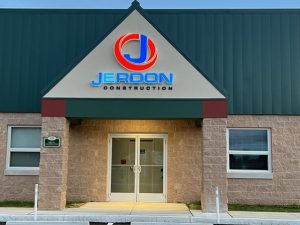
Set Your Next Project Up for Success with Jerdon Construction
No two commercial construction projects (especially in the Lehigh Valley) are alike, but the principles of success remain the same: clarity, collaboration, and consistency. Whether you’re building your very first facility or upgrading an existing one, these steps give you the roadmap you need to move forward with confidence.
Construction doesn’t have to be chaotic. With the right plan, the right team, and a clear vision, your commercial project in the Lehigh Valley can be a huge success. If you’re looking for a partner who brings transparency, expertise, and a collaborative mindset to the table, let’s talk.
Jerdon Construction is proud to help businesses across the region bring their ideas to life.


