

If you’re thinking about taking on a commercial construction project in the Lehigh Valley, you’ve probably come across the term turnkey. It’s a delivery method that promises a smoother construction experience, single-source accountability, and a finished, ready-to-use facility. But before you dive in, it’s important to understand what turnkey means in practice and how to approach it with your eyes wide open. Choosing the right partner and preparing properly can make the difference between a seamless commercial construction project and a stressful one. In the Lehigh Valley, Jerdon Construction brings decades of commercial construction expertise to turnkey projects, helping business owners and developers get it right from the start.
What “Turnkey” Really Means in Commercial Construction
At its core, a turnkey project means one thing. You walk in at the end and turn the key. You don’t just see a project under construction; you receive a completed building ready for occupancy. That’s because, under a turnkey delivery model, the commercial contractor is responsible for every phase of the project from design to construction to the final handover. This is not a traditional design-bid-build scenario where you hire an architect here and a contractor there. Instead, you work with one team that owns responsibility and accountability for the entire job.
For project owners who want simplicity and clarity, that single point of contact can be incredibly valuable. But before moving forward with a turnkey project, it’s worth knowing what’s involved so you can make informed decisions. A successful turnkey experience starts long before construction begins.
Tip 1: Have a Clear Vision and Defined Scope
One of the biggest mistakes owners make before starting a turnkey project is approaching the process without a clear vision for what they want to build. Turnkey works best when the scope of the project is well defined from the beginning. That means understanding not just what the finished facility should look like, but how you intend to use it, what systems and finishes matter most, and where flexibility may or may not be acceptable.
Without a clear scope, you risk scope creep, where changes in design or requirements mid-project can lead to delays or increased costs. Take time in the early planning stages to refine your priorities, whether that’s functional layout or budget parameters. This preparation will pay off throughout the project and help your turnkey contractor manage expectations and outcomes.
Tip 2: Choose a Contractor with Proven Turnkey Experience
Turnkey delivery transfers a great deal of responsibility to your contractor. That’s why partner selection is one of the most critical decisions you’ll make. Not all contractors have deep turnkey experience, and the skills required go beyond general construction. You want a team that understands design coordination, scheduling, permitting, and the challenges that commercial construction presents.
In the Lehigh Valley, experience matters. Jerdon Construction has been serving local clients for years across a range of sectors, including retail, healthcare, offices, education, non-profits and faith based organizations. Rather than simply finishing a construction project, an experienced turnkey contractor anticipates challenges and ensures each phase flows into the next with precision.
Tip 3: Understanding How Turnkey Impacts Cost and Budget
Many owners like turnkey projects because they can offer greater cost certainty than traditional approaches. Since the contractor is involved in the design phase, cost estimates can be more accurate early on, reducing the likelihood of surprises. But that doesn’t mean turnkey projects are inexpensive. Quality turnkey delivery often comes with a premium because you’re paying for comprehensive project management and accountability.
Before signing a contract, understand how your contractor develops estimates and what allowances are included for materials, labor, and unforeseen conditions. Clear financial communication upfront helps ensure the budget aligns with your expectations and mitigates surprises once construction begins.
Tip 4: Prioritize Communication From Day One
Turnkey projects streamline communication by having a single point of responsibility, but that doesn’t mean communication should be passive. Expect regular updates, clear reporting, and accessibility from your contractor. You should never feel out of the loop about design choices or procurement issues.
Having transparent communication early builds trust and prevents misunderstandings. Ask how your contractor plans to keep you informed, whether through weekly check-ins or on-site progress summaries. A partner who communicates well is a partner who keeps your project on track.
Tip 5: Know What Happens During Each Phase
A turnkey project has distinct phases. First, there’s conceptual planning and design, where goals are defined, and architectural plans are created. Next comes permitting and regulatory approval, a process that can vary in design-build complexity depending on the scope of the project and local Lehigh Valley requirements. Once approvals are in place, procurement and scheduling become the focus, aligning material delivery and trade work to keep the timeline efficient. During this phase, you’ll want to know the timelines and potential delays to expect, like weather, supply chain issues, or change management. Finally, construction wraps everything into a finished facility with final inspections and commissioning, ensuring the building is ready for commercial use.
Understanding these project phases helps you know what to expect and when. It also gives you context for decisions and adjustments that inevitably arise during any commercial construction project.
Tip 6: Trust But Verify Quality Standards
Turnkey means your contractor oversees quality across every phase. But that doesn’t mean quality assurance is automatic. Ask your prospective turnkey contractor how they monitor quality throughout the project. Do they conduct regular inspections? What standards and benchmarks do they use? How do they handle any deficiencies identified during the process?
A turnkey contractor should welcome accountability. Knowing how quality is tracked and verified not only protects your investment, it also ensures a facility that performs as expected long after handover.
Tip 7: Be prepared for the Final Handover
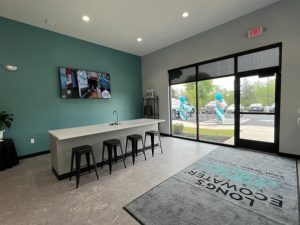
Turnkey means a complete project, but many owners don’t think about the final handover until it’s near. The last phase of a turnkey project should include final inspections, system testing, cleaning, and documentation. You should receive not just a finished building, but the tools and information to operate it effectively.
Ask your contractor how they handle final commissioning. Will they walk you through key systems? Provide warranties and maintenance guidance? A smooth handover is a sign of a turnkey partner who values your long-term success, not just the finished structure.
Tip 8: Lean on Local Knowledge and Partnerships
Commercial construction doesn’t happen in a vacuum, especially in the Lehigh Valley. The permitting process and supply channels are all influenced by local conditions. A turnkey partner who knows the area well, someone who understands the communities and market dynamics, can navigate these elements more effectively.
Local experience can help expedite approvals, anticipate regional supply challenges, and leverage vendor relationships that benefit your project timeline and quality.
Make Your Next Commercial Project a Success with Jerdon Construction
Turnkey construction projects offer many benefits, such as streamlined delivery, single-source accountability, and a facility that’s ready to use when it’s delivered. But to unlock those benefits, you need clarity and a partner you can trust.
In the Lehigh Valley, Jerdon Construction combines local expertise with turnkey experience to help commercial owners and developers achieve their project goals. From planning to handover, a thoughtful approach and strong communication make all the difference.
If you’re considering a turnkey project, start the conversation early. Ask questions, define your priorities, and choose a contractor who will guide you with professionalism and transparency.
Ready to talk about your commercial project? Contact Jerdon Construction, and let’s build something remarkable together.


