
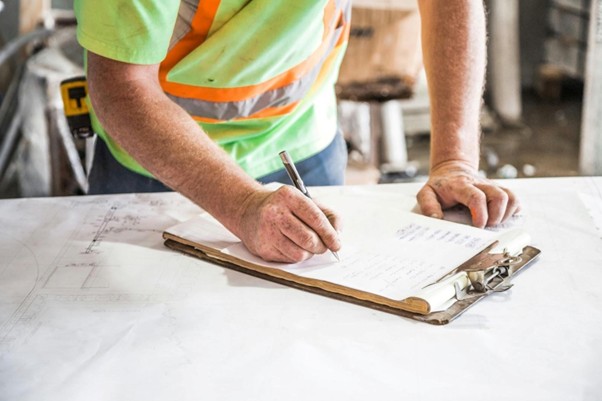
Commercial construction is far more than just building walls and roofs. Each project type comes with its own regulations, timelines, and design priorities depending on how the space will be used. A medical facility operates very differently from a retail store, and a school requires a completely different approach from a restaurant.
That’s why experience across multiple industries matters. Jerdon Construction has built a reputation for delivering high-quality commercial projects tailored to each client’s needs, no matter the complexity. Whether we’re coordinating phased construction in active facilities or hitting hard deadlines tied to business openings, our team is built to manage projects where delays and missteps carry real consequences. By understanding the specific demands of each industry, we help businesses create spaces that function efficiently, meet regulatory standards, and stand the test of time.
Below are seven of the most common types of commercial construction projects and what makes each one unique.
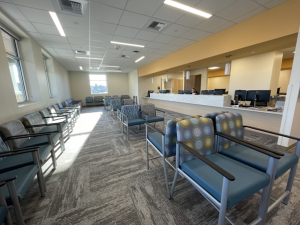
1. Healthcare Projects
Healthcare construction is one of the most detail-driven sectors in commercial building. These projects must meet strict regulations while ensuring patient safety, comfort, and efficiency for staff.
Facilities such as medical offices, clinics, and treatment centers require specialized systems and layouts. Infection control is a top priority, which affects everything from airflow systems to surface materials. HVAC systems must meet strict standards, and construction often takes place in environments that are still actively serving patients.
In addition to compliance, workflow matters. Spaces must be designed to allow healthcare professionals to move efficiently between rooms, equipment, and patients. Even small inefficiencies can impact care delivery.
Mistakes in healthcare construction aren’t just costly; they can disrupt operations, delay patient care, and create compliance issues that take time to resolve. That’s why planning, phasing, and precision coordination are critical from day one.
Because of these challenges, healthcare construction demands careful planning, coordination, and attention to detail from start to finish. It also requires collaboration with medical professionals to ensure every design choice supports real-world use.
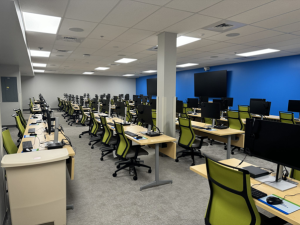
2. Educational Facilities and Schools
Schools and universities require construction that supports both learning and safety. These projects often include classrooms, administrative areas, gyms, and shared spaces for students and staff.
One of the biggest challenges with educational construction is timing. Many projects must be completed during school breaks or while the facility remains partially operational. This requires phased construction plans and strict safety protocols to protect students and staff.
Flexibility is also important. Modern educational spaces are designed to adapt to changing teaching styles and technologies. This means incorporating open spaces, collaborative environments, and infrastructure that can evolve over time.
A well-built educational facility doesn’t just house learning. It enhances it by creating an environment where students and educators can thrive.
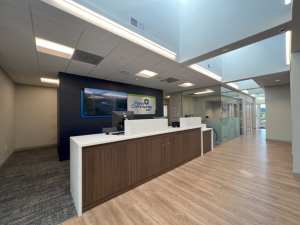
3. Offices and Corporate Spaces
Office construction has evolved significantly in recent years. Today’s workplaces are designed to balance productivity, collaboration, and employee well-being.
Modern office projects often include open layouts, private meeting rooms, flexible workspaces, and integrated technology systems. Companies are also placing greater emphasis on natural light, acoustics, and overall comfort.
Tenant improvements and office renovations are especially common, as businesses look to update existing spaces to meet new needs. These projects require efficiency and minimal disruption, particularly when workspaces remain occupied during construction.
The goal of office construction is to create an environment where people can do their best work while supporting long-term growth and adaptability.
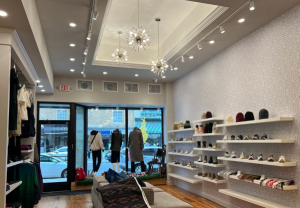
4. Retail Projects
Retail construction is centered around the customer experience. The design, layout, and flow of a retail space can directly impact how customers interact with products and make purchasing decisions.
These projects often include storefront design, display areas, lighting systems, and storage solutions. Every detail must align with the brand’s identity while also supporting functionality.
Speed is another critical factor. Retail businesses often operate on tight timelines, especially when preparing for openings or peak seasons. Delays can directly affect revenue, making efficient project management essential.
A successful retail build creates a space that attracts customers, guides them naturally through the store, and encourages repeat visits.
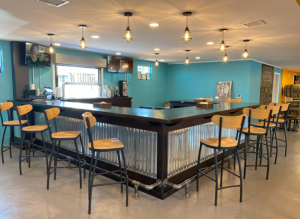
5. Restaurant and Hospitality
Restaurants and hospitality spaces combine design, efficiency, and strict safety requirements. These environments must be visually appealing to customers while also functioning seamlessly behind the scenes.
Kitchen design is one of the most important aspects. Layout, equipment placement, and workflow all impact how efficiently staff can operate. At the same time, ventilation systems, fire safety measures, and health code compliance must meet strict standards.
Front-of-house areas also play a major role. Seating arrangements, lighting, and overall ambiance contribute to the customer experience and brand identity.
These projects require a balance between aesthetics and performance, making them one of the more complex types of commercial construction.
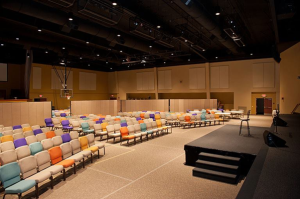
6. Faith-Based Facilities
Faith-based construction projects serve as gathering places for communities. These spaces are often designed not only for functionality but also for meaning and connection.
Projects may include sanctuaries, fellowship halls, classrooms, and community spaces. Acoustic design is especially important to ensure clear sound during services and events.
Many faith-based projects involve renovations or expansions of existing buildings. This requires careful planning to preserve the character of the space while improving functionality.
These projects often carry emotional and cultural significance, making thoughtful execution especially important to meet specific ministry needs.
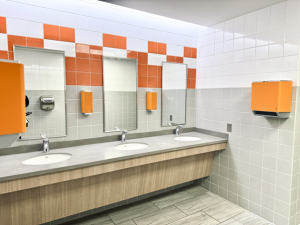
7. Specialty Projects
Some commercial construction projects fall outside traditional categories. These specialty projects often involve unique requirements, creative design solutions, or complex renovations.
Examples include community centers, nonprofit facilities, mixed-use developments, and adaptive reuse projects. In many cases, these builds require transforming existing structures into something entirely new.
Specialty projects often come with unexpected challenges, from structural limitations to design constraints. Success depends on flexibility, problem-solving, and experience.
Our team can adapt to these challenges and is able to deliver results even in complex and unconventional situations.
Why Experience Across Various Industries Matters
Each type of commercial construction project brings its own challenges. Healthcare projects require strict compliance. Retail spaces demand speed and customer-focused design. Educational facilities must prioritize safety and flexibility.
Working with a contractor who understands these differences makes a significant impact on the outcome of a project. Jerdon Construction has experience across multiple industries, allowing our team to approach each project with the knowledge and precision it requires.
How Project Planning Impacts Commercial Construction Success
No matter the type of commercial construction project, success starts long before construction begins. Proper planning plays a critical role in keeping projects on schedule, within budget, and aligned with the client’s goals. This phase involves detailed pre-construction coordination, including budget development, site evaluations, scheduling, and navigating permits and regulatory requirements.
Each step helps identify potential challenges early, which reduces the risk of delays and unexpected costs once construction is underway. In industries like healthcare and education, where compliance standards are strict, thorough planning becomes even more essential to ensure everything meets required guidelines from the start.
Ultimately, effective planning lays the foundation for a successful build. It ensures that every type of project, whether it’s a retail space, office, or healthcare facility, is delivered with precision, efficiency, and long-term performance in mind.
Building for Long-Term Success Throughout the Lehigh Valley
Commercial construction isn’t just about completing a project. It’s about creating a space that continues to perform long after the build is finished.
From healthcare facilities to retail stores and office spaces, each project must be designed with long-term use in mind. Durability, functionality, and adaptability all play a role in determining how successful a space will be over time.
Choosing the right construction partner is one of the most important decisions in the process. With the right experience and approach, businesses can create spaces that support growth, improve efficiency, and serve their needs for years to come.
Ready to bring your commercial construction project to life? Jerdon Construction has the experience and proven track record to deliver high-quality results across every industry. Reach out today and take the first step toward building a space that works for you.


