
Every commercial property needs repairs from time to time. A small roof leak, cracked pavement, damaged siding, or failing HVAC component may not seem urgent at first, especially if business is operating as usual. It’s easy to push repairs down the priority list when budgets are tight or schedules are full.
The problem is that building issues rarely stay the same. Most continue to worsen over time, creating additional damage that affects other parts of the property. What starts as a relatively inexpensive repair can quickly become a much larger project involving multiple trades, business interruptions, and significantly higher costs.
Understanding the true cost of delaying commercial repairs can help property owners, facility managers, and business leaders make smarter decisions before small problems become expensive emergencies.
Small Problems Have a Way of Getting Bigger
Commercial buildings are complex systems where everything works together. When one component begins to fail, it often affects neighboring materials and equipment.
For example, a small roof leak doesn’t simply create a water stain on the ceiling. Water can soak insulation, weaken structural components, damage electrical systems, ruin drywall, and create conditions where mold can develop. By the time the leak becomes obvious inside the building, the original problem may have spread far beyond the roof itself.
The same principle applies throughout a commercial property. A cracked section of concrete can become a tripping hazard. A damaged loading dock can create safety concerns for employees and deliveries. Failing exterior sealants can allow moisture to reach framing and insulation.
Addressing issues early usually limits repairs to the original problem instead of paying to fix everything that was damaged afterward.
Emergency Repairs Cost More Than Planned Repairs
One of the biggest financial differences between early repairs and delayed repairs is how the work gets completed.
Planned maintenance allows contractors to schedule labor efficiently, order materials in advance, and perform repairs under normal working conditions. Emergency situations rarely offer those advantages.
When something fails unexpectedly, businesses often face:
- Emergency service rates
- Expedited material shipping
- Overtime labor
- Temporary protection measures
- Additional cleanup costs
- Disrupted project schedules
Emergency work also leaves fewer options. Instead of comparing bids or scheduling repairs around business operations, property owners are often forced to make immediate decisions simply to keep the building operational.
Downtime Can Cost More Than the Repair
The repair itself isn’t always the largest expense.
When a building system fails unexpectedly, daily operations may slow down or stop altogether. Employees may lose productive work hours, customers may experience disruptions, and tenants may become frustrated by ongoing building issues.
Even a brief interruption can have lasting financial consequences, especially when customers or tenants begin questioning the reliability of the property.
Deferred Maintenance Can Shorten Equipment Life
Many commercial systems are designed to last for decades with proper maintenance and timely repairs.
When small issues go unresolved, surrounding equipment often has to work harder than intended. An HVAC system with damaged ductwork or poor building insulation, for example, must run longer to maintain comfortable temperatures. Moisture infiltration can corrode mechanical components, while neglected plumbing issues can place additional stress on pumps and fixtures.
Instead of maximizing the lifespan of expensive building systems, deferred maintenance often leads to premature replacement.
Replacing major equipment years earlier than expected is almost always more expensive than addressing smaller repairs along the way.
Energy Costs Continue to Rise
Building damage doesn’t only affect appearance or structural integrity. It can also increase monthly operating expenses.
Damaged roofing systems, deteriorating insulation, broken windows, worn weather sealing, and failing HVAC components all reduce a building’s energy efficiency.
As HVAC systems work even harder to compensate, utility bills increase month after month. While those higher energy costs may seem gradual, they add up over time and continue until the underlying issue is corrected.
Improving the condition of the building often improves operating efficiency at the same time.
Safety Risks Become More Serious
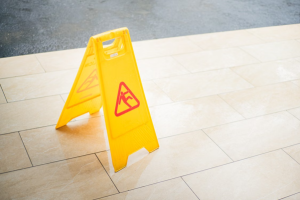
Commercial property owners have a responsibility to provide a reasonably safe environment for employees, customers, tenants, and visitors.
Delayed repairs can create hazards such as:
Trip and Fall Hazards
Uneven sidewalks, damaged flooring, broken stairs, and deteriorating parking lots increase the risk of injuries.
Water Intrusion
Leaks can create slippery surfaces while also affecting electrical systems and interior finishes.
Structural Concerns
Ignoring damaged structural components can eventually compromise larger sections of the building.
Building Code Issues
Some deferred repairs may eventually result in code violations or failed inspections, requiring corrective work under tighter deadlines.
Addressing repairs promptly helps reduce liability while protecting everyone who uses the property.
Your Property Value Depends on Its Condition
Commercial real estate in the Lehigh Valley is a long-term investment, and building condition plays a significant role in maintaining property value.
Prospective buyers, tenants, lenders, and investors often notice deferred maintenance immediately. Visible signs of neglect can create concerns about hidden problems elsewhere in the building.
Even if major structural systems remain sound, worn exterior finishes, water damage, outdated repairs, or neglected maintenance can negatively affect:
- Property appraisals
- Lease negotiations
- Buyer confidence
- Tenant retention
- Overall marketability
Keeping repairs current helps preserve both the appearance and long-term value of the property.
Signs You’re Waiting Too Long to Make Repairs
Not every building issue requires an emergency repair response, but there is a point where putting off repairs becomes far more expensive than addressing them. The challenge is that many problems develop gradually, making it easy to convince yourself they can wait another month or another season. Recognizing the warning signs early can help you avoid larger disruptions and unexpected repair bills.
Water Damage Keeps Coming Back
A ceiling stain that continues to grow or a leak that seems to return after every heavy rain usually points to a larger problem. Water has a way of finding the path of least resistance, and by the time it’s visible inside the building, it may have already damaged insulation, drywall, structural components, or electrical systems. Repainting the stain or placing a bucket underneath the leak won’t solve the source of the problem.
Cracks Continue to Spread
Small cracks in concrete, masonry, or walls aren’t always cause for alarm, but they shouldn’t be ignored either. If cracks become wider, longer, or begin appearing in multiple locations, it’s time to have them evaluated. What starts as a minor repair may eventually require more extensive structural work if the underlying issue isn’t addressed.
Building Systems Aren’t Performing Like They Used To
If your HVAC system struggles to keep the building comfortable, doors no longer close properly, or plumbing issues have become more frequent, those are signs that components may be wearing down or that larger maintenance issues are developing. Waiting for a complete failure often leads to emergency service calls instead of planned repairs.
Temporary Fixes Have Become Permanent
Every property owner has relied on a temporary solution at some point. The problem comes when temporary repairs remain in place for months or even years. Patching the same section of roof, repeatedly sealing the same crack, or continually repairing the same piece of equipment often costs more over time than making a permanent repair.
Employees or Tenants Keep Reporting the Same Problems
Recurring complaints about leaks, drafts, uneven floors, damaged pavement, or malfunctioning doors shouldn’t be dismissed as routine maintenance. When the same issue continues to come up, it’s usually a sign that the root cause hasn’t been properly addressed. Taking action early not only protects the building but also shows occupants that their safety and comfort are a priority.
The sooner these warning signs are addressed, the more options you typically have. Early repairs are often less disruptive, easier to schedule, and significantly more affordable than waiting until the problem becomes an emergency.
Why Preventive Action Makes Financial Sense
Many commercial repairs are far more manageable when addressed early.
Rather than waiting for complete failure, proactive repairs allow property owners to budget appropriately, schedule work around business operations, and avoid many of the secondary costs associated with emergencies.
Routine inspections also help identify developing issues before they become visible or begin affecting other building systems.
While every repair requires an investment, timely building maintenance often protects much larger investments already made in the building.
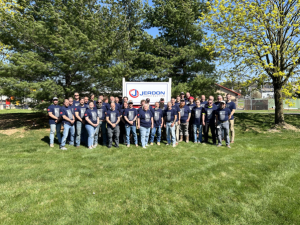
Partner With Jerdon Construction for Commercial Emergency Repairs
Sometimes emergencies can’t be avoided. Severe weather, unexpected equipment failures, and accidental damage can happen without warning. When they do, having an experienced commercial contractor makes all the difference.
If your commercial property needs immediate attention or you’ve noticed building issues that shouldn’t wait any longer, contact Jerdon Construction today. Taking action now can help prevent significantly larger repairs and expenses in the future.


