
When people think about commercial construction, they usually picture what’s happening on the job site. Steel is going up, concrete is being poured, walls are taking shape, and crews are hard at work bringing a building to life.
What most people don’t see is everything happening behind the scenes to make that progress possible.
A commercial construction project is a constant balancing act involving schedules, budgets, subcontractors, suppliers, architects, engineers, inspections, permits, and countless daily decisions. Every moving part has the potential to affect another, which means even a small issue can ripple through an entire project if it isn’t managed quickly.
That’s where project management makes all the difference.
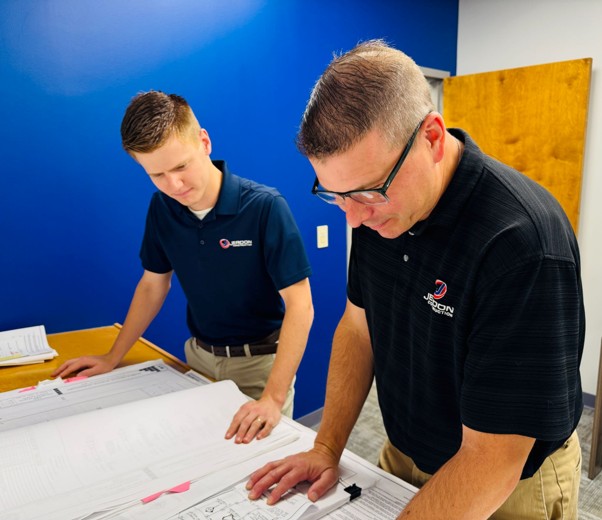
Strong project management keeps commercial construction projects organized, efficient, and moving forward. It gives owners confidence that someone is looking at the big picture while also paying attention to the details that influence cost, quality, and completion dates.
Commercial Construction Is a Team Effort
Very few commercial projects involve just one company. Even a relatively straightforward renovation can include multiple trades, design professionals, vendors, inspectors, and local agencies, all working toward the same goal.
On any given day, a project manager may be coordinating with:
- Architects
- Engineers
- Specialty subcontractors
- Material suppliers
- Building inspectors
- Municipal officials
- Utility providers
- Property owners
- Facility managers
Each group has its own responsibilities, timelines, and priorities. Someone has to connect those pieces so the project continues moving efficiently.
Without that coordination, communication gaps can develop quickly. One delayed decision can impact multiple trades, inspections may need to be rescheduled, and crews can end up waiting for work that should have been completed days earlier.
One Point of Contact Makes the Process Easier
For many business owners, commercial construction isn’t something they deal with every day. They’re focused on operating their business, managing employees, serving customers, or preparing for a new location to open. The last thing they want is to spend their afternoons tracking down subcontractors or trying to figure out why one schedule doesn’t match another.
That’s one of the biggest advantages of professional project management.
Instead of juggling conversations with multiple companies, owners have a single point of contact who understands every aspect of the project and can provide accurate updates, answer questions, and coordinate next steps.
That doesn’t just save time. It creates confidence throughout the construction process because owners know someone is actively representing their interests and keeping the project on track.
Good Project Management Starts Long Before Construction Begins
One of the biggest misconceptions about commercial construction project management is that it starts once construction crews arrive on site.
In reality, some of the most valuable work happens well before the first piece of equipment arrives.
Planning the Right Sequence
Commercial construction follows a carefully coordinated sequence. Every phase depends on the one before it being completed correctly and on time.
For example, electrical work can’t move forward until framing reaches the appropriate stage. Interior finishes can’t begin until inspections are completed. Equipment deliveries need to coincide with installation schedules instead of arriving weeks too early or days too late.
Thoughtful planning helps prevent unnecessary downtime while allowing different trades to work together efficiently.
Building a Realistic Schedule
Every commercial project has deadlines, but successful schedules aren’t built on optimism alone.
Experienced project managers consider lead times for materials, inspection requirements, weather conditions, subcontractor availability, and other factors that influence the construction timeline.
As work progresses, that schedule continues to evolve. Adjustments are made when necessary so the project continues moving toward completion with as little disruption as possible.
Keeping Budgets Under Control
Every commercial property owner wants financial predictability.
While unexpected situations can arise on any construction project, proactive project management helps reduce surprises by closely monitoring costs and making informed decisions throughout the process.
That includes reviewing pricing, evaluating alternatives when needed, coordinating purchasing schedules, and documenting changes before additional work begins.
Managing Change Orders the Right Way
Changes are a normal part of commercial construction.
A business may decide to add office space, upgrade finishes, relocate equipment, or modify layouts after construction begins. Sometimes those changes improve the final result. Other times they’re necessary because of site conditions or updated requirements.
The key isn’t avoiding every change. It’s making sure each one is evaluated carefully before moving forward.
Good project management helps owners understand how proposed changes may affect:
- Project costs
- Construction schedules
- Material availability
- Future phases of work
- Overall project goals
That transparency allows owners to make informed decisions instead of reacting to unexpected surprises later.
Small Problems Don’t Have to Become Big Ones
No commercial construction project is completely free of challenges.
Materials can arrive later than expected. Weather can affect outdoor work. Equipment may require longer lead times than originally anticipated. Inspections occasionally uncover items that need to be addressed before work can continue.
The difference is how those situations are managed.
Experienced project managers spend much of their time anticipating potential issues before they affect the overall project.
If a delivery is delayed, they may adjust the sequence of work so another trade can continue making progress.
If weather impacts exterior work, they evaluate opportunities to keep interior construction moving.
If questions arise during construction, they coordinate with architects, engineers, and subcontractors to find solutions before delays begin affecting multiple teams.
That proactive approach helps maintain momentum even when unexpected situations arise.
Communication Keeps Everyone Moving Forward
One of the most overlooked parts of project management is communication.
Commercial construction generates a steady stream of information throughout every phase of the project. Questions need answers. Decisions need documentation. Schedules need updates. Owners need to understand what’s happening without feeling overwhelmed by every minor detail.
Strong communication helps eliminate confusion before it becomes a problem.
An experienced project manager keeps owners informed with regular updates, explains decisions in straightforward language, and makes sure everyone involved is working from the same information.
That level of communication also builds trust.
Owners don’t have to wonder what’s happening behind the scenes because they know someone is actively monitoring progress, coordinating schedules, and keeping the project moving in the right direction.
Every Decision Affects the Next Step
Commercial construction isn’t a collection of separate tasks. Every decision influences what happens next.
A delayed approval may affect material orders. Material delays can impact installation schedules. Installation schedules influence inspections. Inspections determine when the next trade can begin work.
Project management keeps those connections visible. Instead of focusing on individual activities, experienced project managers continually evaluate how today’s decisions affect tomorrow’s progress.
That perspective helps prevent costly disruptions while keeping the entire project aligned with the owner’s goals.
Why Experienced Project Management Delivers Better Results
At the end of the day, successful commercial construction is about much more than completing a building.
Owners want a project that stays organized, communicates clearly, manages resources responsibly, and reaches completion with as few surprises as possible.
Professional project management helps make that happen by providing:
- Clear communication throughout the project
- Coordinated scheduling between all project partners
- Careful oversight of budgets and project milestones
- Proactive problem-solving when challenges arise
- Better organization from planning through project closeout
- A smoother experience for owners and stakeholders
Those benefits continue long after construction is complete because projects that are managed well tend to finish with stronger documentation, smoother closeout processes, and fewer unresolved issues.
Partner With Jerdon Construction for Dependable Project Management
Every commercial construction project has hundreds of moving parts. Keeping them organized requires experience, communication, and a commitment to protecting the owner’s interests from beginning to end.
At Jerdon Construction, dependable project management is at the core of how we serve our clients throughout the Lehigh Valley. We coordinate with owners, architects, engineers, contractors, and project stakeholders to keep construction moving efficiently while maintaining a strong focus on quality, schedule, and budget.
Whether you’re planning a new commercial facility, renovating an existing property, or preparing for your next phase of growth, our team is always ready to help guide your Lehigh Valley project from planning through completion.
Connect with Jerdon Construction today to discuss your commercial construction project and discover how experienced project management with us can help turn your vision into a successful reality.


