
If your business has a busy season, a commercial construction project can’t be planned on the construction schedule alone. You also have customers to serve, employees to keep working, deliveries to receive, and revenue goals to hit.
That doesn’t mean you have to wait for a perfectly quiet stretch to renovate, expand, or improve your facility. For many businesses, there isn’t one. The better approach is to identify when construction would cause the most disruption, then work backward to build a realistic project schedule.
For businesses in the Lehigh Valley, that planning should start well before the first crew arrives. Design decisions, permits, materials, subcontractor availability, weather, and the way your facility operates can all affect the timeline.
Here’s how to plan around your busiest months without putting off a project your business needs.
1. Put Your Business Calendar on the Table First
Before setting a construction start date, map out the periods when your facility is under the most pressure.
A retailer may need to protect the holiday shopping season. A restaurant may depend heavily on summer weekends or December events. A school has an obvious incentive to schedule disruptive work when students aren’t in the building. Healthcare facilities, offices, manufacturers, and nonprofit organizations may have less obvious peaks, but they still have periods when construction would be especially difficult.
Look beyond revenue. Consider employee schedules, major events, inventory cycles, customer traffic, production deadlines, deliveries, annual meetings, and other activities that affect how the building is used.
Then identify the dates that are truly non-negotiable. If losing access to your main entrance for three days would be manageable in February but disastrous in November, your contractor needs to know that during planning.
2. Work Backward From the Busy Season
Once you know when the building needs to be fully operational, work backward.
One common mistake is counting only the weeks of physical construction. The project may need architectural or engineering work, pricing, permit review, material procurement, subcontractor coordination, inspections, and other preconstruction steps before work can begin.
There isn’t a universal number of weeks to assign to that process. Project duration depends on the work involved and the permitting and inspections required.
Municipal requirements also need a place on the calendar. For example, commercial alterations and other types of construction can require permits.
If your business needs major work completed before October, don’t start planning in August. Bring the construction team in early enough to determine what needs to happen and how much time the full process is likely to require.
3. Identify the Work That Will Disrupt Operations Most
Not every construction activity affects your business the same way.
Painting an unused office is very different from shutting down electrical service, closing a customer entrance, replacing an HVAC system, or demolishing the area next to an occupied workspace.
During preconstruction, identify the work that could interfere with normal operations. That could include:
- Utility shutdowns
- Demolition
- Work at primary entrances
- Parking lot or loading-area closures
- Loud or dusty interior work
- HVAC, plumbing, or electrical interruptions
- Work that temporarily reduces customer or employee space
Those activities become scheduling priorities.
When possible, place the most disruptive work during slower weeks, planned shutdowns, evenings, weekends, or other periods that create less conflict. Other portions of the project may be able to continue while the business operates.
Your contractor also needs a clear picture of how your company uses the facility. A loading dock that looks available on a drawing may be essential every Monday morning. A hallway may be the only practical route between two departments. Those operational details can change how the work is sequenced.
4. Consider Phased Construction
Sometimes the project simply won’t fit inside the slow season.
That doesn’t automatically mean postponing it for another year. A multi-phased project can allow construction to move forward while portions of the facility remain in use.
An office renovation might complete one department before moving to another. A healthcare facility may need to maintain access to occupied areas throughout construction. A retailer may need customer-facing portions of the property available even while another area is being renovated.
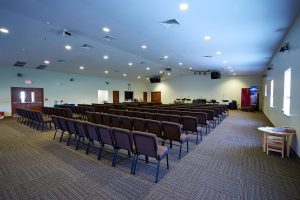
Jerdon has used this approach on projects where continued access was important. Emmanuel’s Lutheran Church project, for example, was constructed in three phases so the church could continue using the building for events and services.
Phasing requires careful coordination. Crews need defined work areas, occupants need safe access, and each phase has to connect logically with the next. But for a business that can’t simply close for construction, it can provide a practical way to keep the project moving.
5. Get Long-Lead Decisions Made Early
Your slow season won’t do much good if construction is ready to start and a critical piece of equipment is still weeks away.
Some materials and building components require more time to manufacture, source, approve, or deliver. Depending on the project, HVAC equipment, electrical components, specialty doors, custom finishes, structural materials, or other items can affect the schedule.
The specific long-lead items will vary, which is why they should be identified during preconstruction rather than after work begins.
Early selections also give the team more room to respond if something won’t arrive when expected. There may be another product available, a different way to sequence the work, or an opportunity to order a critical component sooner.
Waiting until construction is underway leaves fewer options, especially when the busy season is already approaching.
6. Give Yourself Some Breathing Room
A schedule that works only if everything goes exactly right is risky.
Weather can affect exterior and site work. Existing buildings can reveal conditions that weren’t visible before demolition. Material deliveries can change. Inspections have to fit into the schedule, and one trade may need to finish before another can begin.
That doesn’t mean adding months of unnecessary time. It means avoiding a completion date that lands immediately before the busiest day on your business calendar.
If your peak season starts November 1, finishing construction October 31 leaves no room to move furniture, stock inventory, get employees settled into the new layout, clean the space, or deal with a late project change.
Set the target construction completion date early enough to give the business time to get ready for what comes next.
7. Plan for Business Operations During Construction
If your facility will remain occupied, the construction schedule needs an operational plan to go with it.
Where will customers enter? Will employees need temporary work areas? Can deliveries continue through the normal loading area? Are there times when noise needs to be limited? Does a portion of the parking lot need to stay open?
For some projects, temporary relocation may make sense. For others, the answer may be working in sections, shifting certain construction activities to different hours, or maintaining temporary access to essential areas.
These conversations are much easier before crews arrive.
Jerdon works on both multi-phased projects and occupied facilities, along with fast-track projects when schedules are particularly tight. Our construction management services also include coordinating project stakeholders and determining the sequence of construction operations.
Start Planning Before Your Slow Season Arrives
If you wait until business slows down to start planning construction, you may already be behind.
Start with the dates your business needs to protect. Work backward through design, permitting, procurement, and construction. Identify the work most likely to interrupt operations, make critical selections early, and leave enough room between construction and peak demand to handle the unexpected.
Jerdon Construction works with businesses and organizations throughout the Lehigh Valley and surrounding area on renovations, additions, tenant fit-outs, ground-up construction, fast-track projects, and multi-phased work.
If you’re planning a commercial construction project around a tight business calendar, connect with Jerdon Construction. Getting the construction team involved early gives you more time to build a project schedule around the way your business actually operates.


